WreckMaster Certification and Why It Matters When Hiring a Heavy Equipment Towing Company
WreckMaster certification is a recognized trust signal that directly affects operator qualifications and legal compliance in the heavy equipment towing industry. When you need to move oversized construction equipment or a disabled semi on a busy Houston, TX, corridor, the credentials of the operator matter as much as the equipment itself. For heavy machinery towing in Houston, TX, knowing what WreckMaster certification means can help you choose the right company and protect your load, your timeline, and your liability.
What WreckMaster Certification Actually Covers
WreckMaster prepares operators to handle complex recovery and towing scenarios across multiple skill levels, with each tier building on the last. Here is a quick breakdown of the core levels relevant to heavy equipment work:
▸Level 2/3 (Fundamentals): Covers basic towing, scene safety, and customer service for newer operators.
▸Level 4/5 (Advanced): Focuses on advanced light- and medium-duty recovery, including complex rigging and resistance calculations.
▸Level 6/7 (Heavy-Duty Applications): Reserved for experienced professionals covering specialized heavy-duty recoveries and incident command leadership.
Courses cover rigging principles, load calculations, winching angles, and recovery physics: all critical when moving heavy construction machinery or recovering an overturned commercial vehicle.
Why Does This Certification Matter in Houston?
Operator credentials carry real legal weight in Texas. The Texas Department of Licensing and Regulation (TDLR) requires Incident Management and Private Property towing operators to hold certification from TRAA or a TDLR-deemed equivalent before obtaining the corresponding license. WreckMaster's curriculum feeds directly into that pathway.
This matters most on Houston's high-traffic corridors. When a heavy load breaks down on I-45 or I-610, a non-certified operator may not meet the legal requirements to work the scene at all. Certified operators are also trained in Traffic Incident Management standards, allowing them to work alongside TxDOT and law enforcement to clear scenes efficiently and safely.
For fleet managers and construction companies requiring heavy machinery towing in Houston, TX, certified operators often qualify for higher-profile contracts, enjoy lower insurance rates, and carry greater credibility with law enforcement: translating directly into reduced liability exposure.
What Training Does a Certified Operator Complete?
Through classroom learning and hands-on training, operators gain proficiency in safe recovery techniques, advanced rigging, vehicle stabilization, and incident management.
How Often Must Operators Recertify?
All TROCP certifications expire every five years. In Texas, tow operators must also complete four hours of continuing education each licensing cycle to keep their knowledge of regulations and techniques current.
Does WreckMaster Certification Affect Insurance Coverage?
Certification can influence both a towing company's insurance rates and a client's liability position. Insurance carriers, municipal rotation lists, and motor clubs increasingly require documented training from certified programs.
Equipment Move
Operator credentials are one of the most important questions to ask before hiring a heavy machinery towing company in Houston. The difference between a certified and uncertified operator can affect scene safety, legal compliance, insurance outcomes, and the condition of your equipment on arrival.
Hidden Valley Wrecker, Inc. serves Houston, TX, with professional heavy-duty towing and recovery services built on decades of experience. Contact the team to discuss your next heavy equipment job, or call (281) 447-2223 to speak with someone right now.
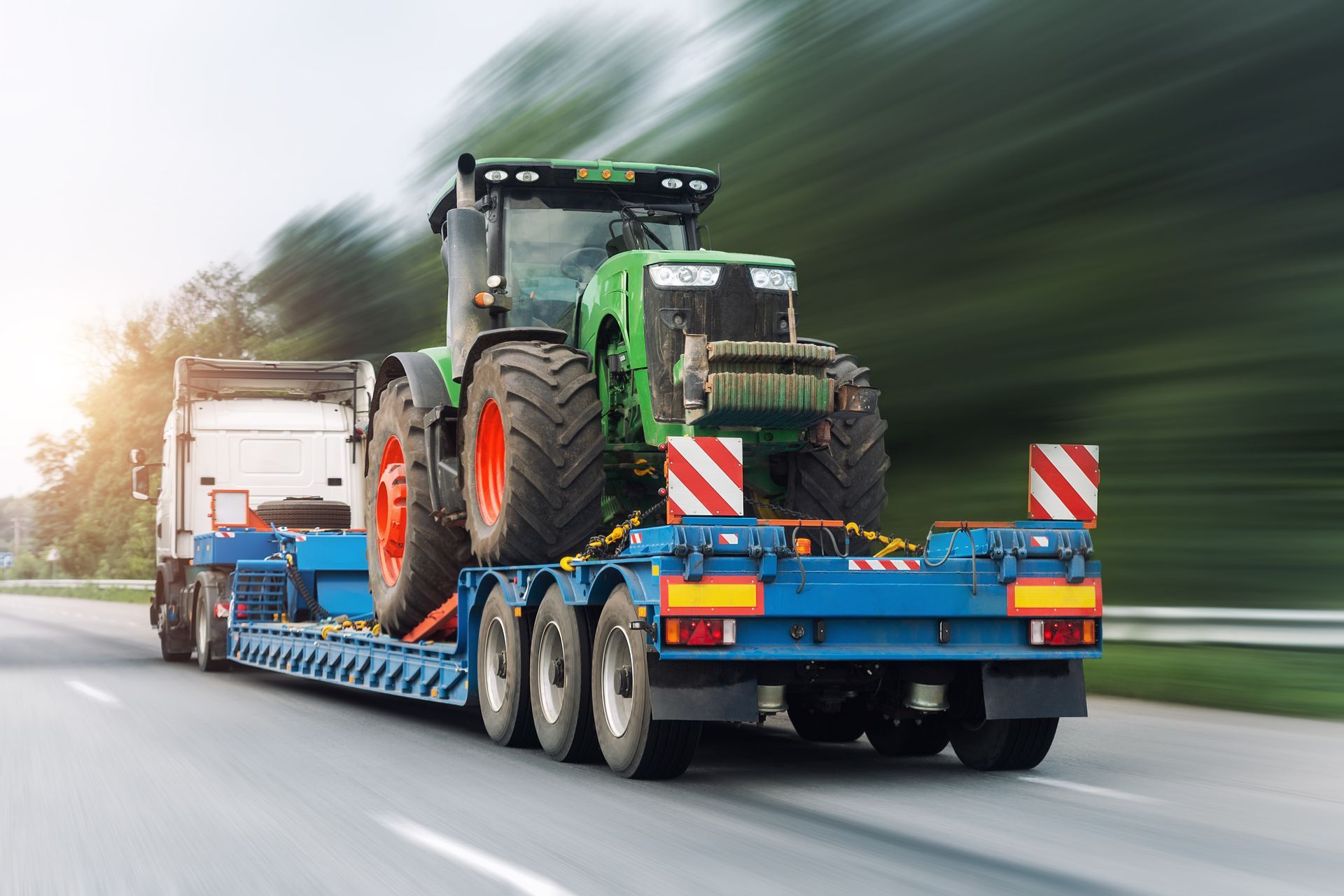
![Road logistics for heavy construction industry equipment.][ 1997963573](https://irp.cdn-website.com/418cf5ef89714dc291f39db272d47c96/dms3rep/multi/opt/AdobeStock_1997963573-1920w.jpeg)