Heavy Equipment Towing vs. Heavy Machinery Towing: What Houston Contractors Need to Know in 2026
Heavy equipment towing and heavy machinery towing are often used interchangeably, but they describe different situations. Knowing which applies helps you call the right service, prepare the right paperwork, and avoid unexpected downtime.
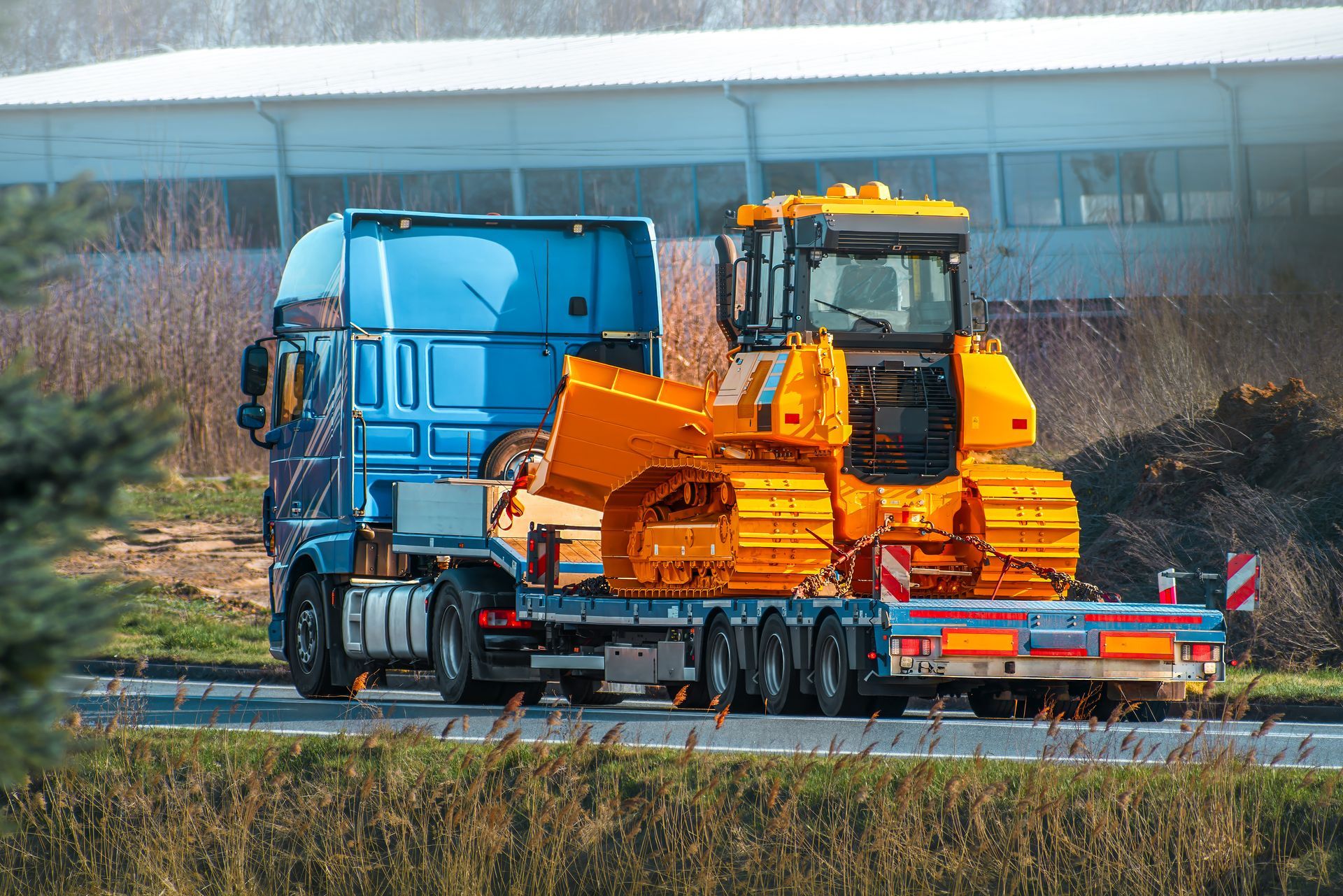
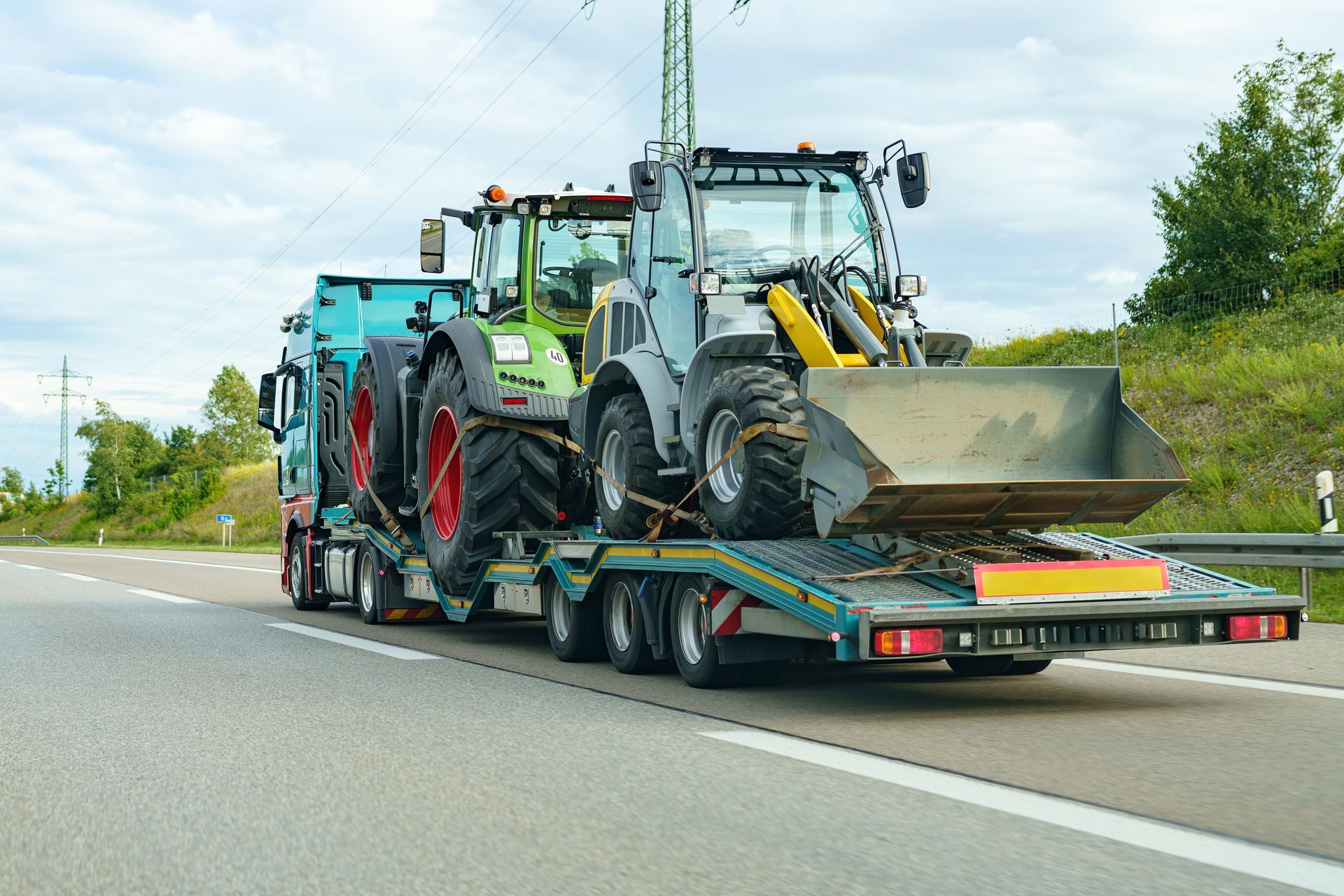
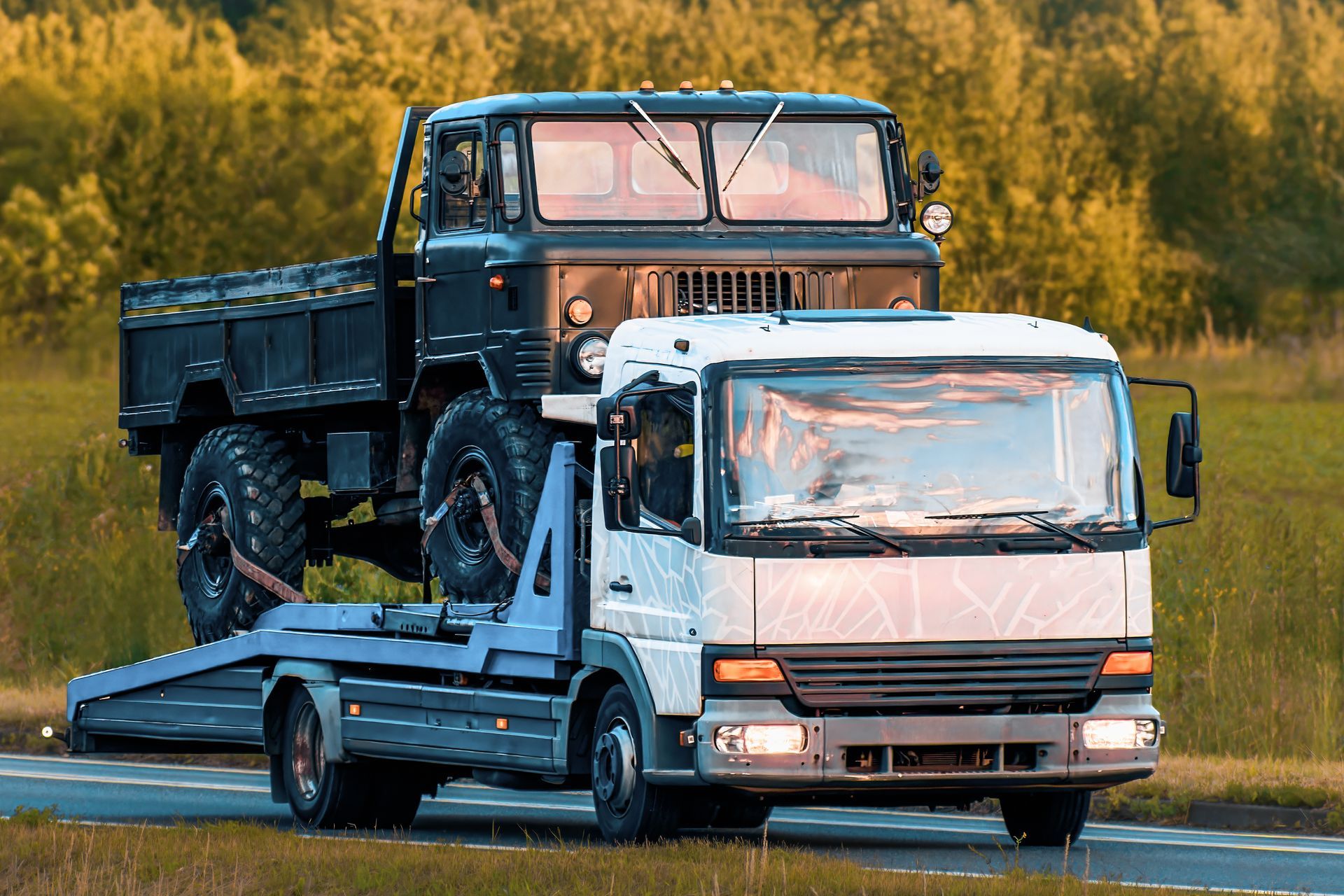
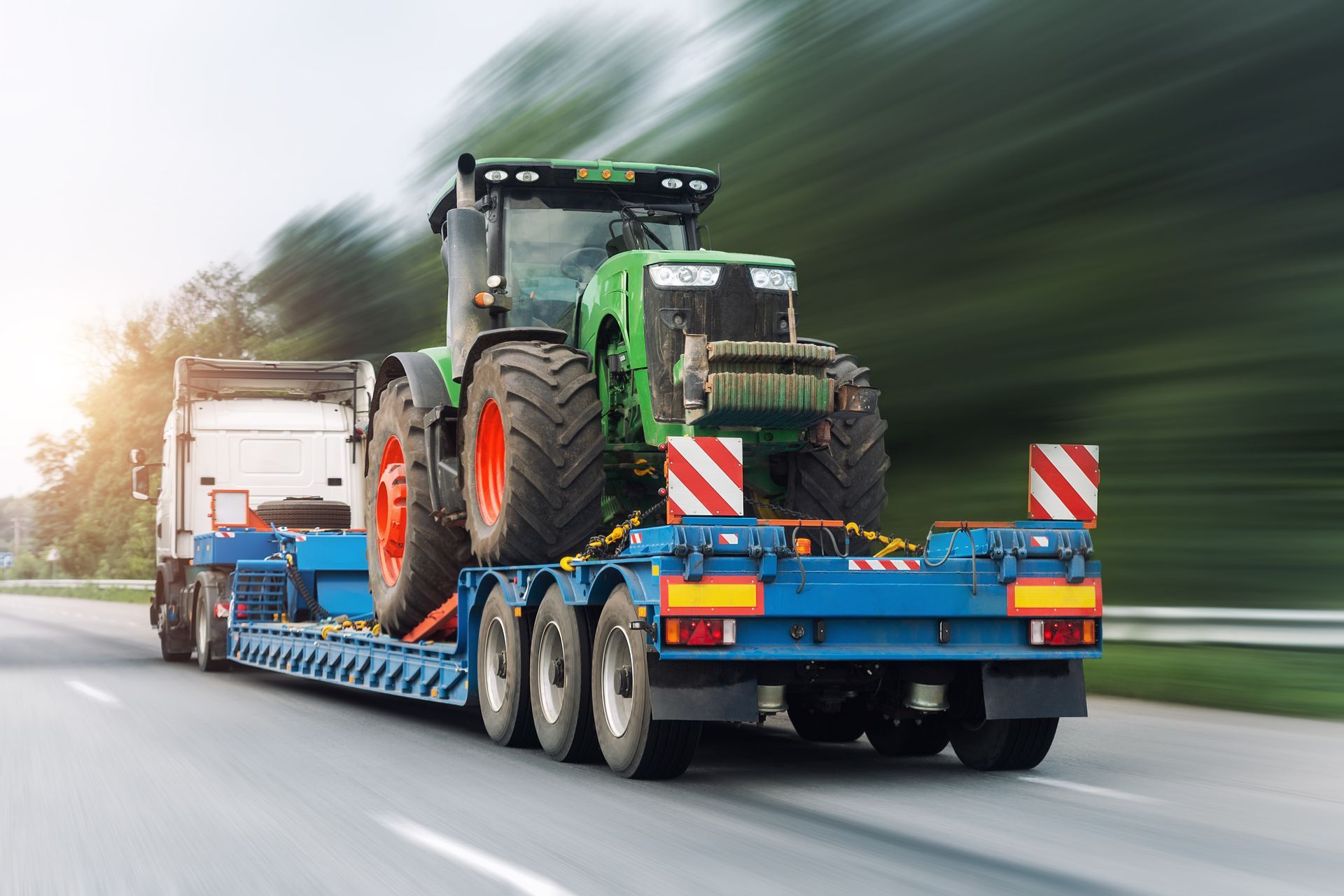
Heavy equipment towing refers to moving wheeled or rubber-tracked machines that can be driven onto a trailer or lowboy, such as excavators, wheel loaders, and motor graders. These units are large but designed for transport between job sites as part of normal operations.
Heavy machinery towing refers to fixed or specialty industrial machines not designed to move under their own power, including cranes, generators, compressors, or fabrication equipment that requires rigging and specialized transport.
The key contractor decision: is your unit road-mobile, or does it need custom rigging to move at all?
When Do Houston Contractors Actually Need Each Service?
Houston's construction market is one of the most active in the country, with major corridors like I-10 and Beltway 8 feeding dozens of active job sites across Harris County and neighboring areas like Cypress, Katy, and Pasadena.
You likely need heavy equipment towing if a piece of mobile construction equipment has broken down on-site, cannot be driven safely to a repair yard, or needs to be relocated between projects. You likely need heavy machinery towing if the unit is fixed, very large, or requires specialized rigging or cribbing before it can be safely loaded. Either scenario may trigger Texas oversize or overweight permit requirements depending on dimensions and gross vehicle weight.
The practical overlap is real. A large excavator or crane carrier may require rigging expertise to load it safely and heavy-duty transport equipment to move it legally.
What Texas Permit Thresholds Apply in 2026?
Texas has clear thresholds that determine when a permit is required. The 2026 standard maximums without a permit are 45 feet for a single motor vehicle, 59 feet for a semitruck-trailer combination, and 80,000 lbs gross vehicle weight. Most vehicles must not exceed 8 feet 6 inches in width, and the legal height limit is typically 14 feet.
The Texas DMV's TxPROS system requires operators to know specific requirements for non-divisible loads and axle weight tolerances. Overweight fines can range from $100 to over $10,000 per axle, and operating without a required permit can result in load impoundment, license suspension, and civil liability for pavement damage.
For contractors moving equipment frequently, single-trip permits cover one-time hauls, while annual permits may be more cost-effective for companies that regularly move oversize equipment.
Houston Routes Matter More Than You Think in 2026
Route selection is a compliance issue, not just a logistics concern. Westbound I-10 mainlanes between I-45 and Houston Avenue have been reduced to two lanes through Summer 2026, making standard heavy haul routes impassable for wide loads. The North Houston Highway Improvement Project involves reconstruction of I-45N between downtown and Beltway 8, with restricted access points and altered interchange configurations that affect equipment moves through the north Houston corridor.
Texas oversize load regulations also restrict when certain loads can travel. Heavy haul movements must generally occur only during daylight hours, defined as 30 minutes before sunrise to 30 minutes after sunset. Urban areas like Houston frequently add curfews to avoid peak traffic.
For job sites in Cypress along Hwy 290, Pasadena near the Ship Channel, or the Katy area off I-10 West, route pre-clearance is not optional. A towing provider familiar with Harris County restrictions and active construction zones can save contractors significant time and fines.
What Is the Difference Between a Superload and a Standard Oversize Load?
A standard oversize load exceeds Texas legal limits but stays within permit-eligible parameters. A superload is so large or heavy that it requires an engineering study, specialized routing analysis, and often multiple escort vehicles. Loads with six or more axles may trigger engineering review. If your equipment qualifies as a superload, permit timelines and coordination requirements are significantly longer than for a standard oversize move.
Do I Need Escort Vehicles for My Equipment Move in Texas?
When a load exceeds specific width or length thresholds, Texas law mandates escort vehicles, also known as pilot cars. The number required depends on the load's dimensions and the roads being traveled. Wide loads moving through densely built Houston neighborhoods or active construction zones may require both front and rear escort coverage. Your towing provider should advise on escort requirements as part of the move plan.
Getting Both Jobs Done Right in Houston
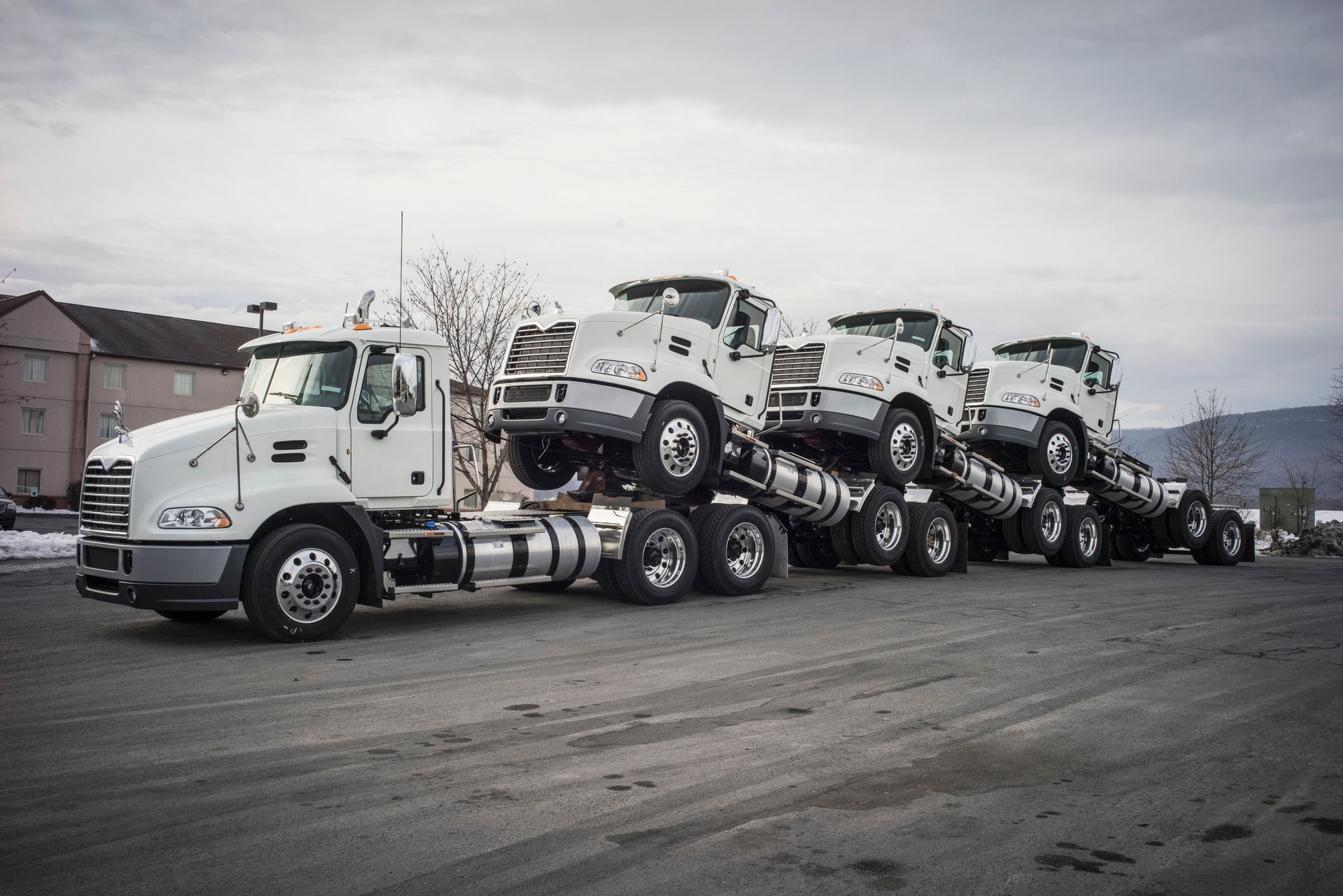
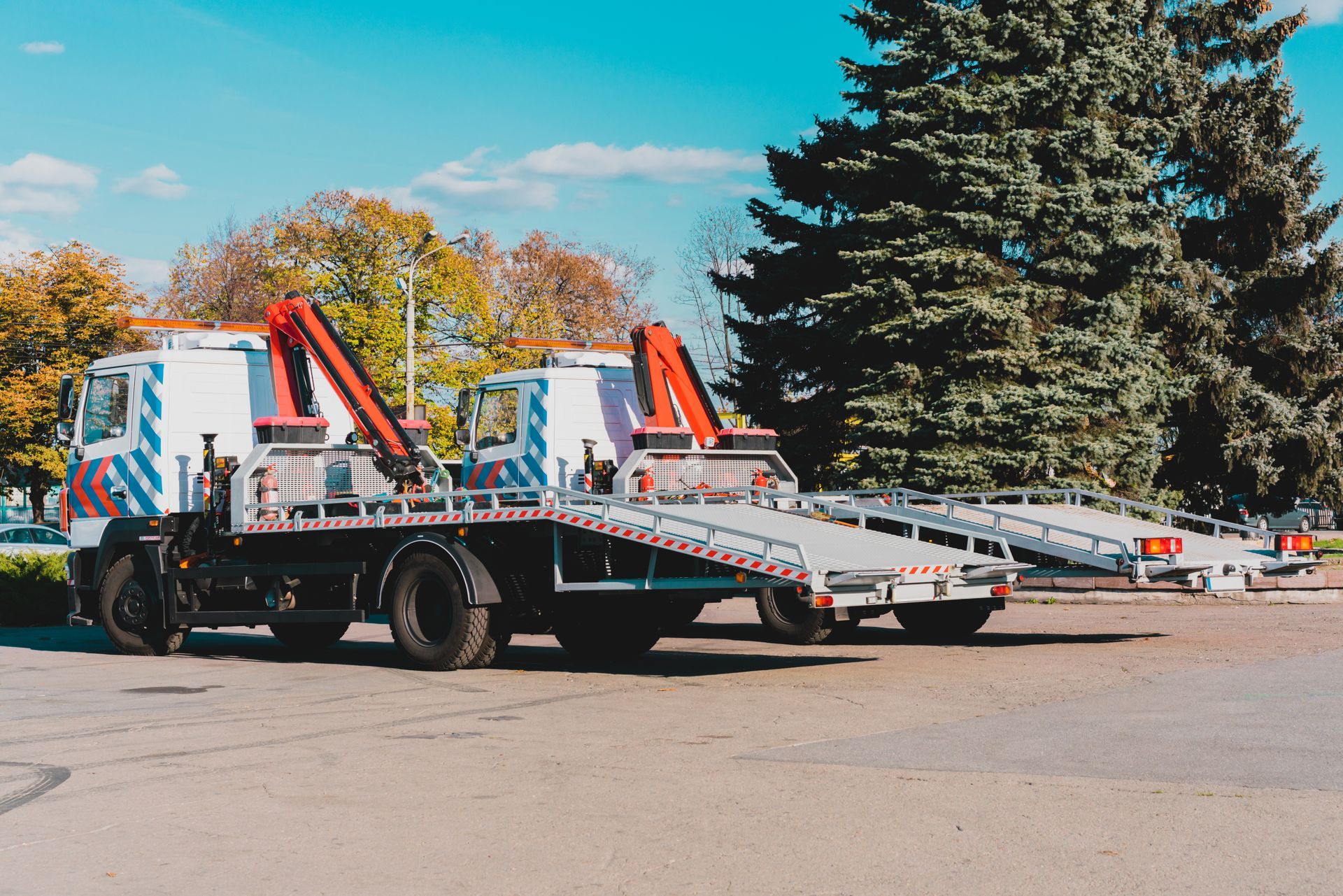
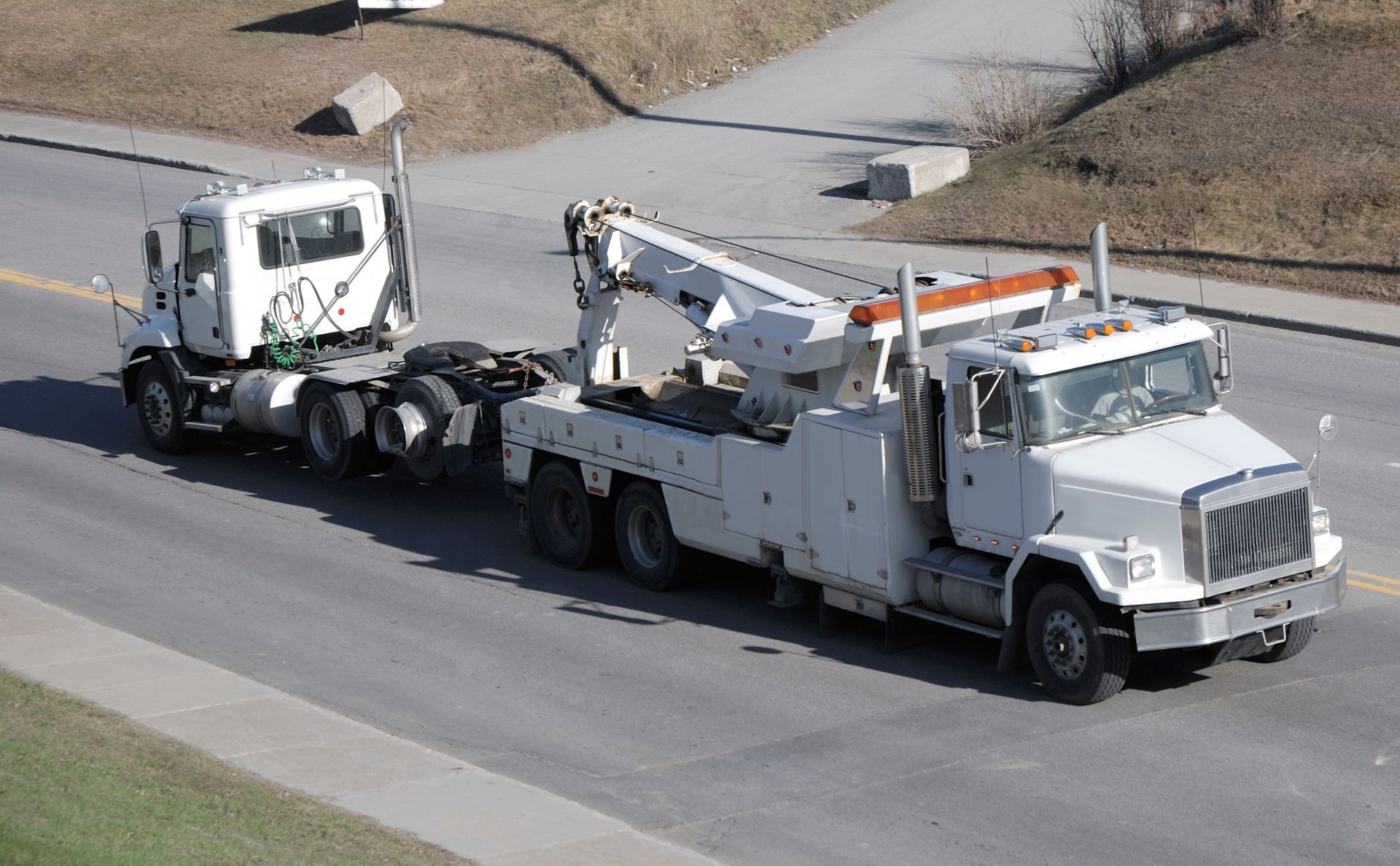
Houston contractors need a towing partner that handles both scenarios without separate vendors or dispatches. The right fleet includes heavy-duty wreckers, rotator tow trucks, lowboy trailers, and recovery units built for semitrucks, buses, construction machinery, and large commercial fleets.
A contractor managing a concrete pour on the east side of Beltway 8 cannot afford to wait for a second vendor because the first only does one type of move. Heavy equipment towing in Houston, TX demands route awareness, permit knowledge, and the right equipment for the specific unit being moved.
Ready to Move Your Equipment? Call Hidden Valley Wrecker, Inc.
Hidden Valley Wrecker, Inc. handles both heavy equipment towing and heavy machinery towing for contractors throughout the Houston metro, including job sites along I-10, Beltway 8, and surrounding Harris County corridors. The team operates 24/7, so a breakdown or urgent relocation does not have to become a full day of lost productivity.
To discuss your equipment move and get a quote, visit the heavy-duty towing service page or reach out through the towing services page to connect with a team member directly. You can also call (281) 447-2223 any time, day or night, for immediate dispatch support.
![Road logistics for heavy construction industry equipment.][ 1997963573](https://irp.cdn-website.com/418cf5ef89714dc291f39db272d47c96/dms3rep/multi/opt/AdobeStock_1997963573-1920w.jpeg)